Are you at risk for Type II Diabetes?
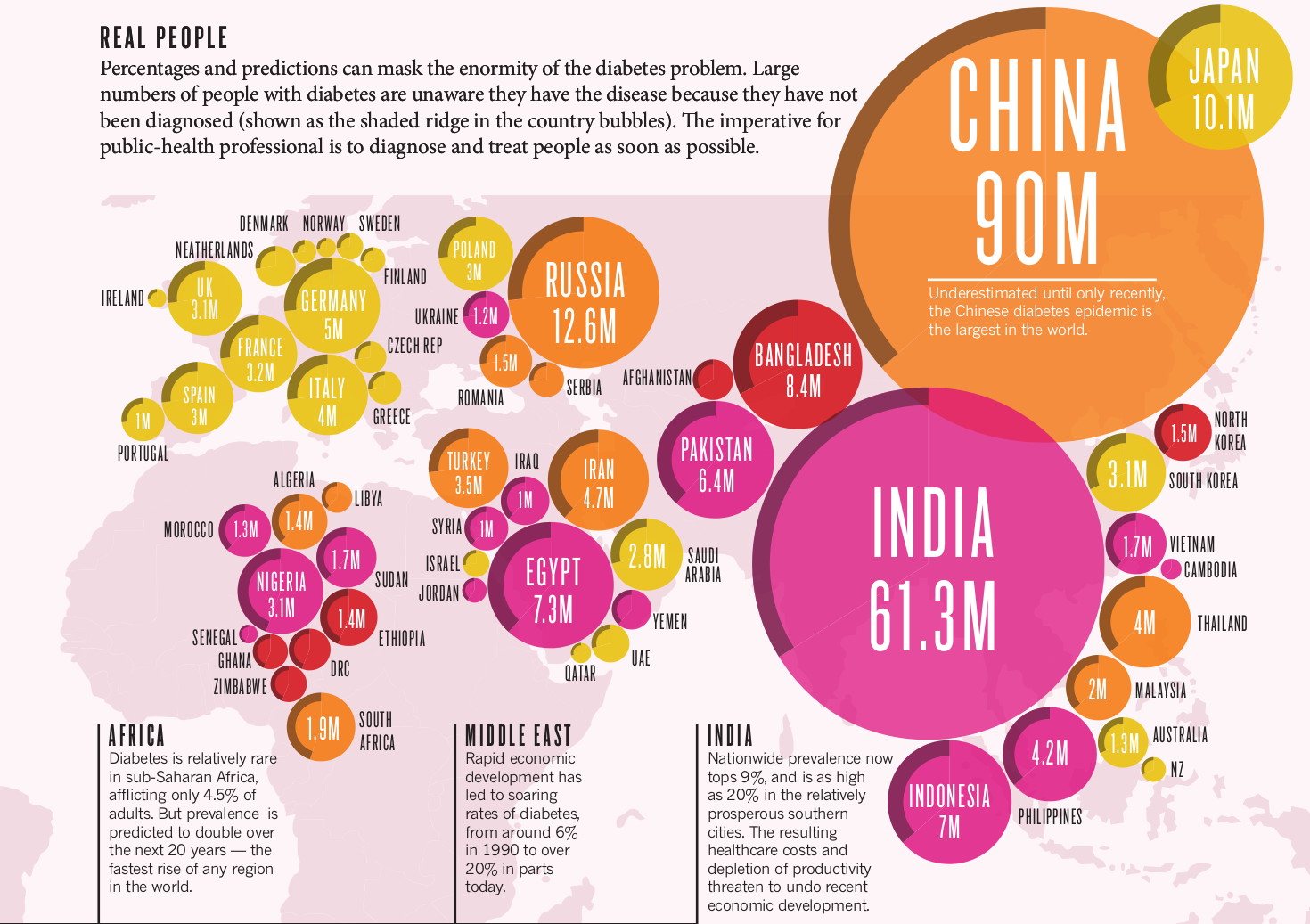
As is evident from the infographic above, Diabetes is turning out to be an epidemic of proportions unheard of before. While earlier health battles have been fought against bacteria and other infectious diseases, the growing change in our lifestyle has given rise to this chronic condition of epic proportions. The number of people living with, and dying of, diabetes across the world is shocking: 90 million Chinese live with diabetes and 1.3 million died in 2011; 23% of Qatari adults have developed diabetes. The situation in India is no better.
The above graphic is for type I and type II diabetes (T2DM). While the causes for Type I are unknown, Type II diabetes is caused by a combination of genetic and lifestyle factors.
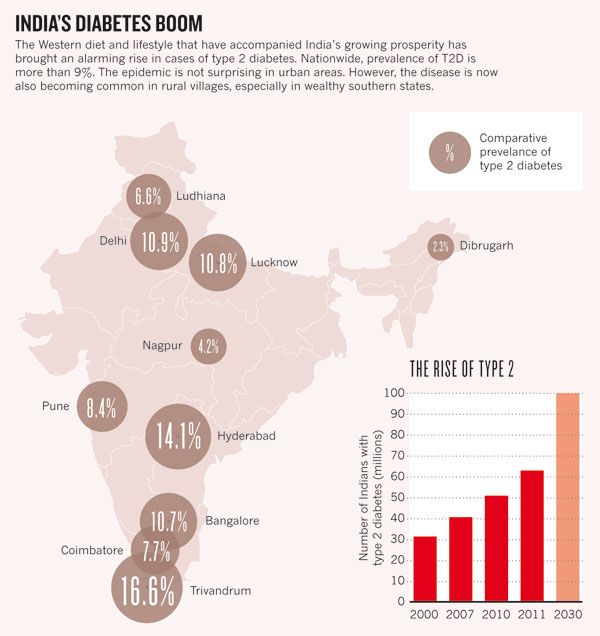
T2DM in India has a prevalance rate of about 9% but in parts of South India, every fifth person is likely to be affected by Diabetes. Besides diabetes does not stop at itself but can cause further complications of the heart, kidney, eyes and feet. The interesting part here is that in most cases T2DM is preventable. If you are pre-diabetic i.e you are diagnosed to likely get diabetes in the next 5 or 10 years, there are ways to prevent yourself from getting it through lifestyle modification.
How do you know if you are pre-diabetic? If you are a woman and have had gestational diabetes during pregnancy, there is a strong chance you are going to develop T2DM. For other people of Indian origin, there is a screening questionnaire designed for Indians to identify their diabetes risk.

You might be surprised to know that this simple questionnaire is a very accurate measure of your T2DM risk score. If you have a high sugar score, you should definitely get your tests done and get on the road to prevention.
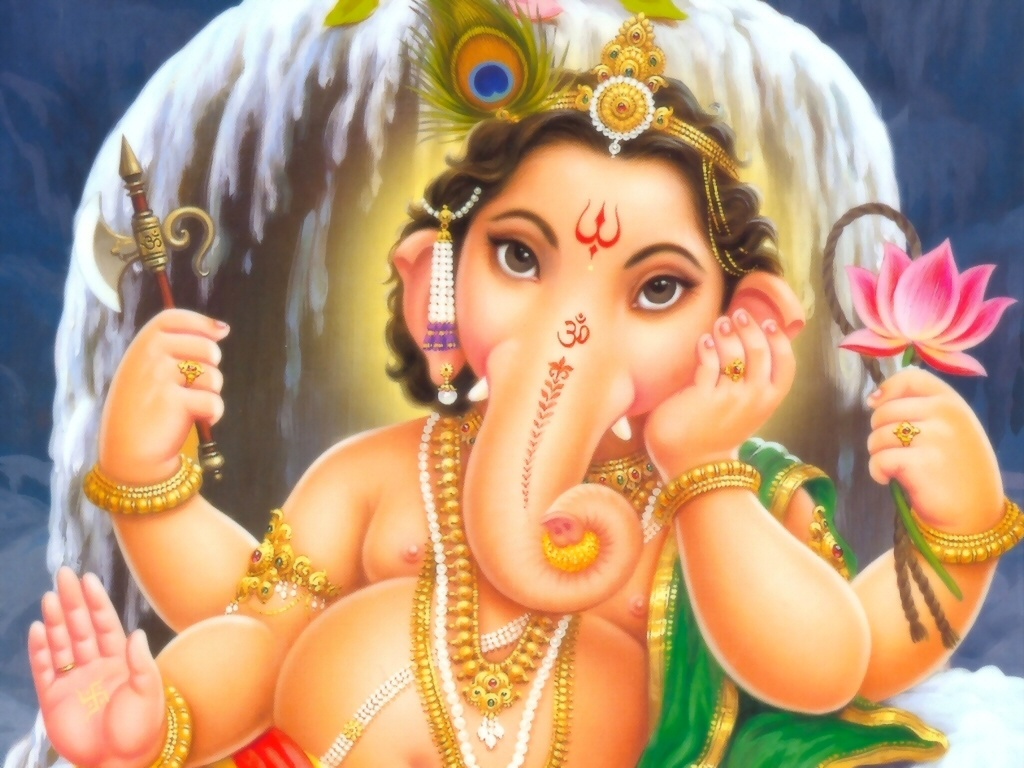
Indians have had an historical affinity to Diabetes, starting with the affluent people during the Aryan influx in India to the modern day corporate employee in cities (with a dip during the colonial period owing to poor lifestyle conditions of a vast majority of Indians). Indians also have a tendency to be prone to central obestity (i.e belly fat) which in many cases is seen as a sign of prosperity. The Hindu God Ganesha, whose choice of food is a sweet ladoo made of flour with sugar and ghee, is an indicator of our affinity to this. Remember that your waist size has a direct correlation with your risk for diabetes.
If you interested to learn more about the global health burden of Diabetes, the below TED-MED talk by Mark Hyman explains it all.
So have you got your SugarScore yet?
blog comments powered by Disqus